24/7 Phone Services
24/7 Phone Services
Visit Our Place
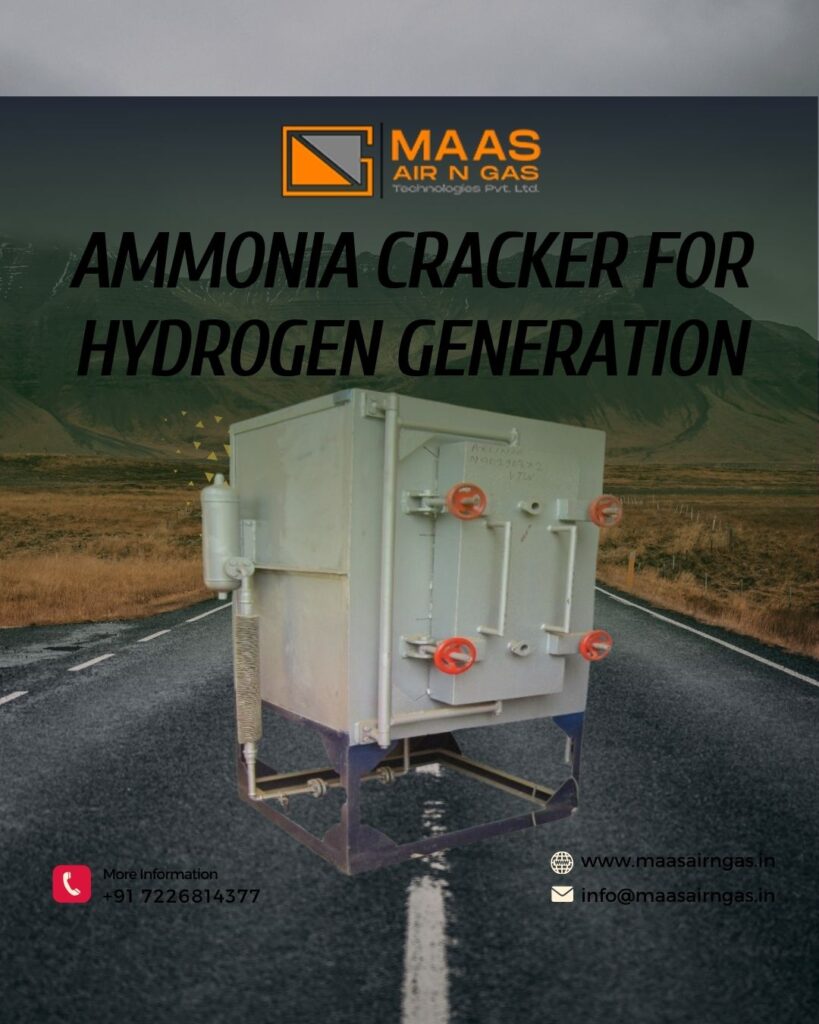
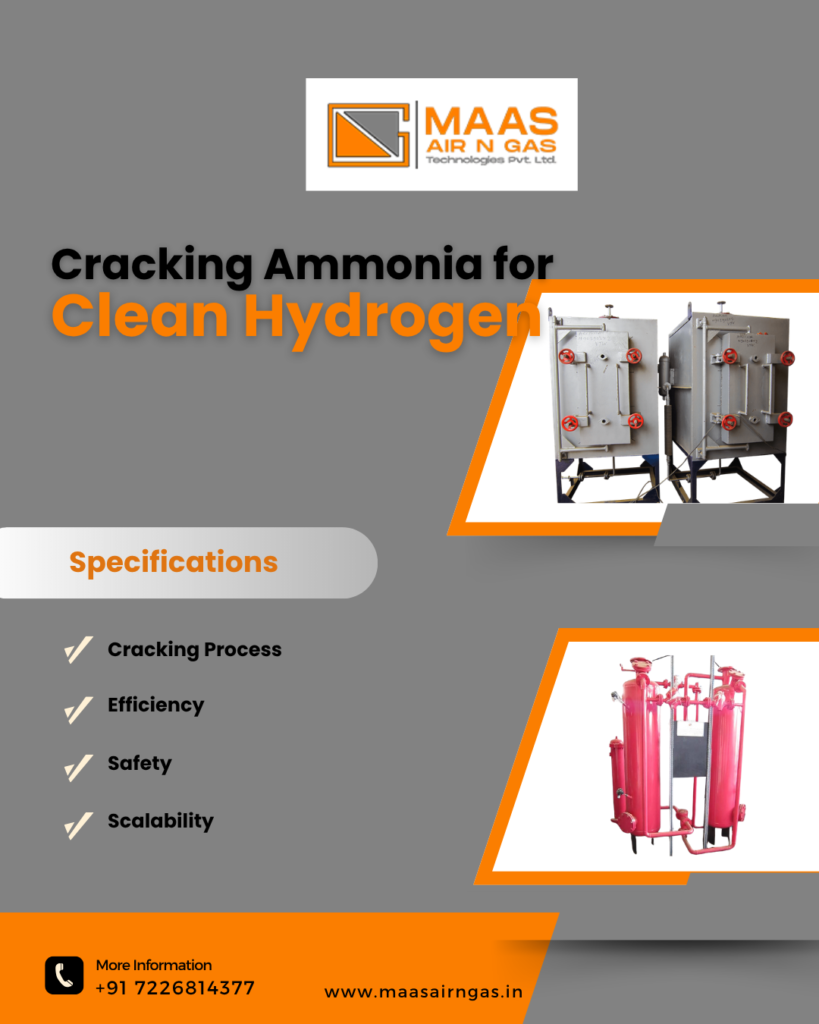
Ammonia Cracker for Clean Hydrogen Generation: Working, Features, Benefits and Industrial Applications An Ammonia Cracker for Hydrogen Generation is an industrial system designed to produce hydrogen by breaking ammonia into its constituent gases, primarily hydrogen and nitrogen. The technology can be considered for industries that require a reliable hydrogen source and want to generate hydrogen at or near the point of use instead of depending entirely on transported hydrogen supplies. The uploaded MAAS Air N Gas image highlights four important aspects of its ammonia cracking solution: Cracking Process, Efficiency, Safety and Scalability. MAAS Air N Gas Technologies Pvt. Ltd. lists…
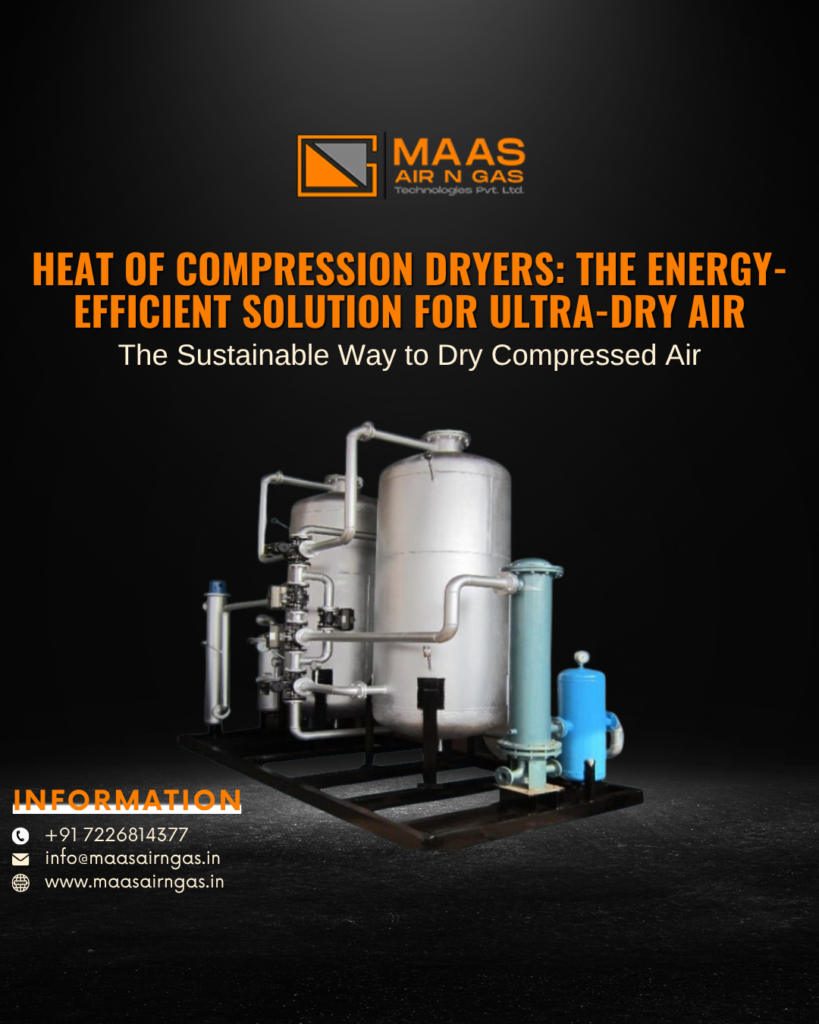
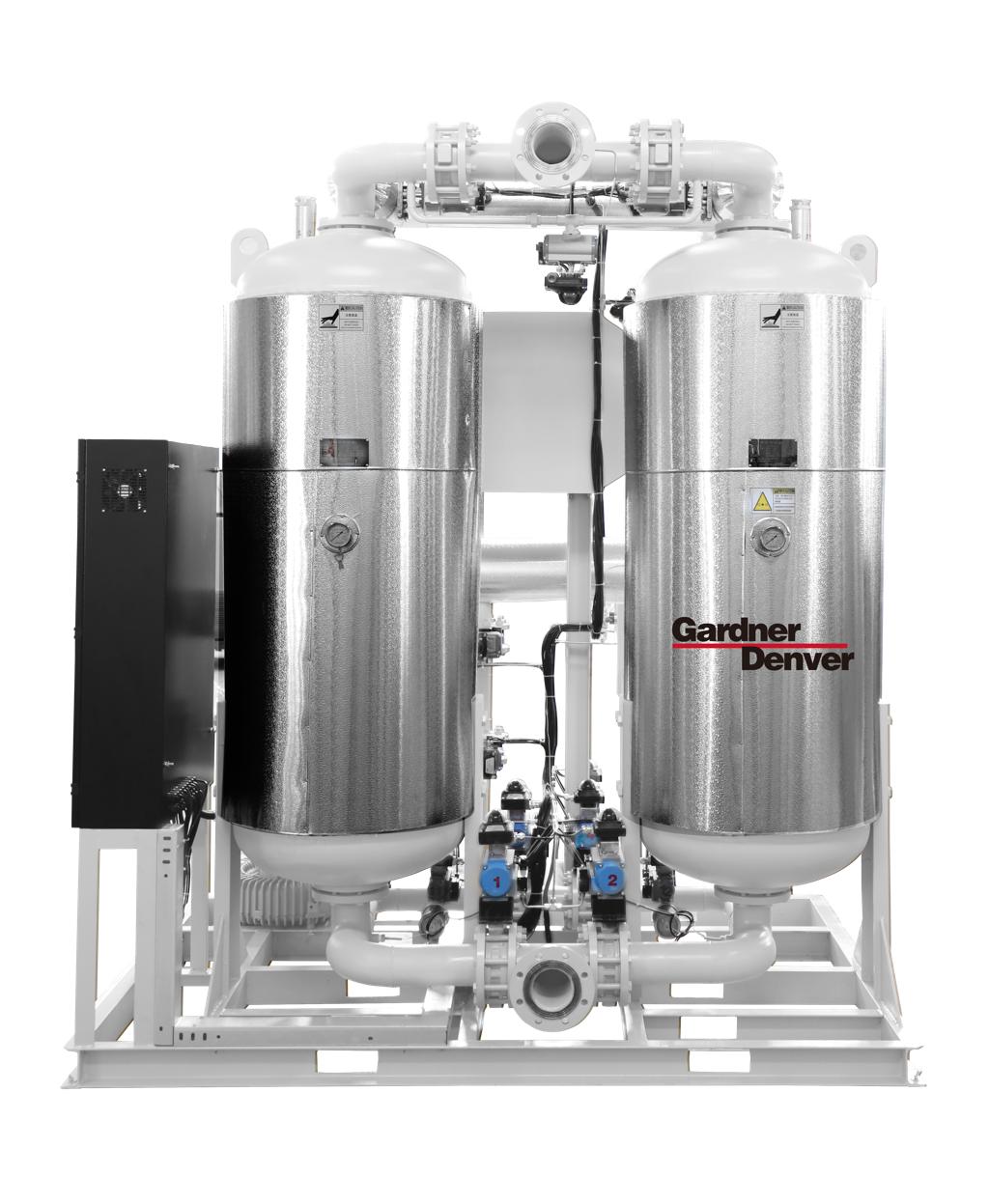
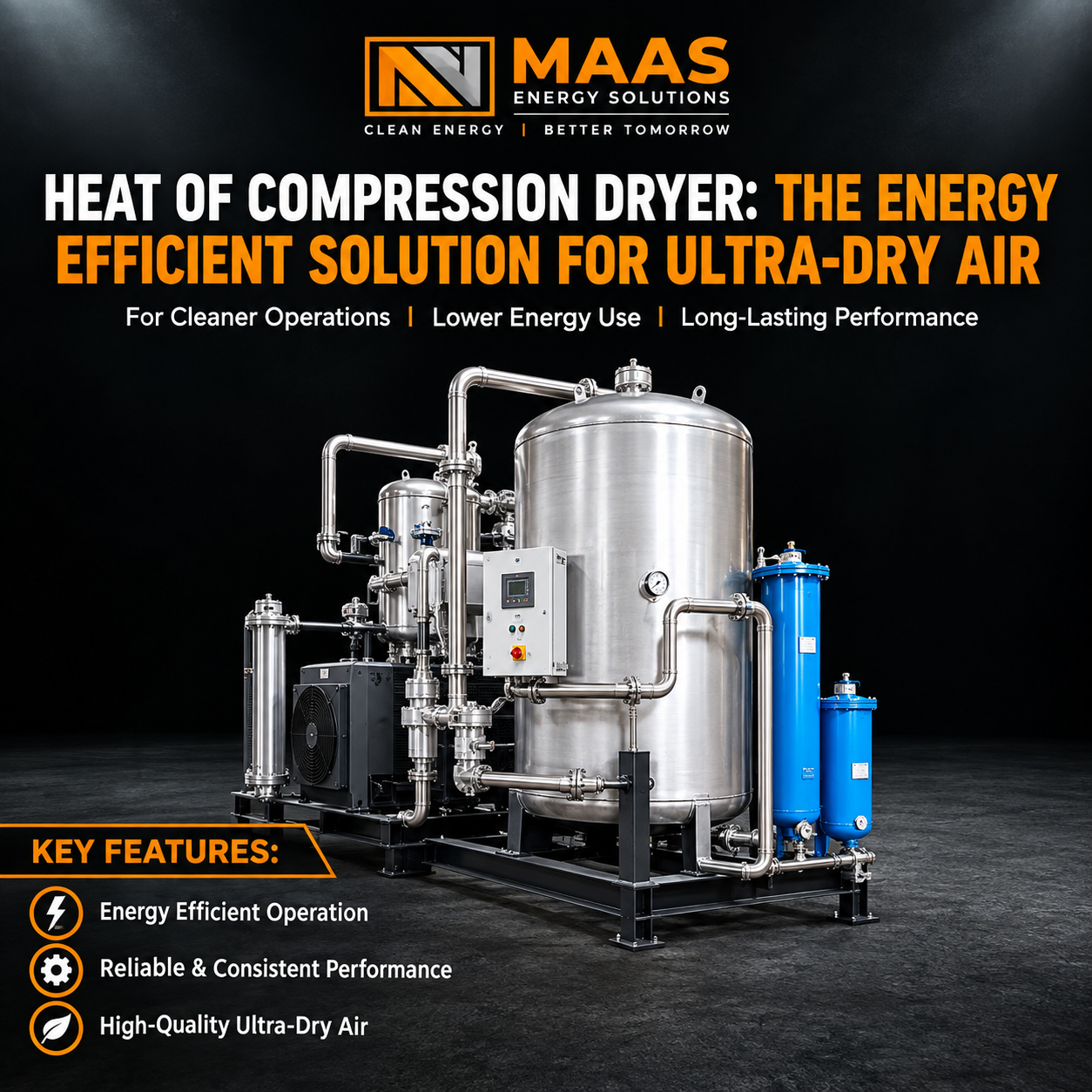
A Heat of Compression Dryer (HOC Dryer) is an industrial compressed-air drying system that uses the heat generated during compression to regenerate the desiccant. Instead of relying primarily on conventional purge air or a separate electrical heater for regeneration, the system can utilize heat available from an oil-free compressor. This makes Heat of Compression technology an important option for industries looking to improve compressed-air utilization and reduce unnecessary energy consumption. The uploaded MAAS Air N Gas image presents the system as “Heat of Compression Dryers: The Energy-Efficient Solution for Ultra-Dry Air” and highlights sustainable compressed-air drying. MAAS Air N Gas…
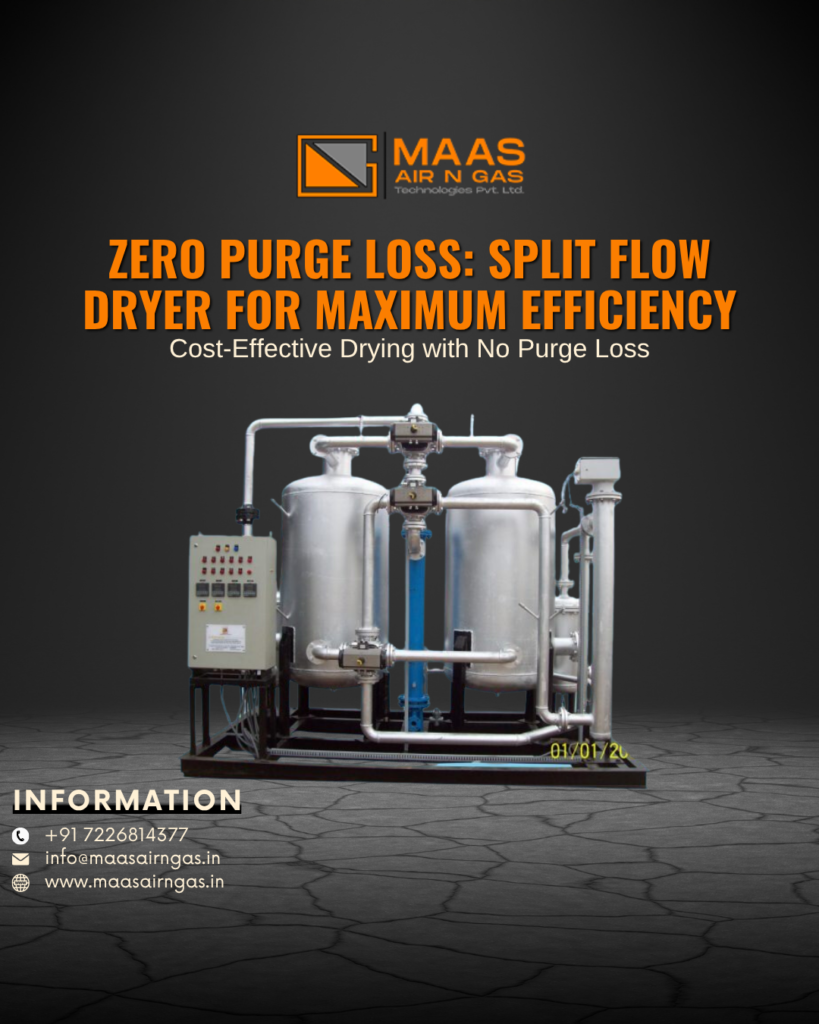
powerful Zero Purge Loss: Split Flow Dryer for Maximum Efficiency A Split Flow No Purge Loss Dryer is an industrial compressed-air drying solution designed to remove moisture while avoiding the conventional loss of compressed air used for purge regeneration. This makes the technology particularly relevant for industries where compressed air is continuously required and energy efficiency is an important operating consideration. The supplied MAAS Air N Gas image highlights the main concept as “Zero Purge Loss: Split Flow Dryer for Maximum Efficiency” and describes it as “Cost-Effective Drying with No Purge Loss.” MAAS explains that its Split Flow No Purge…
Ammonia Cracker for Clean Hydrogen Generation: Working, Features, Benefits and Industrial Applications Blog Description An Ammonia Cracker for Hydrogen Generation is an industrial system designed to produce hydrogen by breaking ammonia into its constituent gases, primarily hydrogen and nitrogen. The technology can be considered for industries that require a reliable hydrogen source and want to generate hydrogen at or near the point of use instead of depending entirely on transported hydrogen supplies. The uploaded MAAS Air N Gas image highlights four important aspects of its ammonia cracking solution: Cracking Process, Efficiency, Safety and Scalability. MAAS Air N Gas Technologies Pvt.…
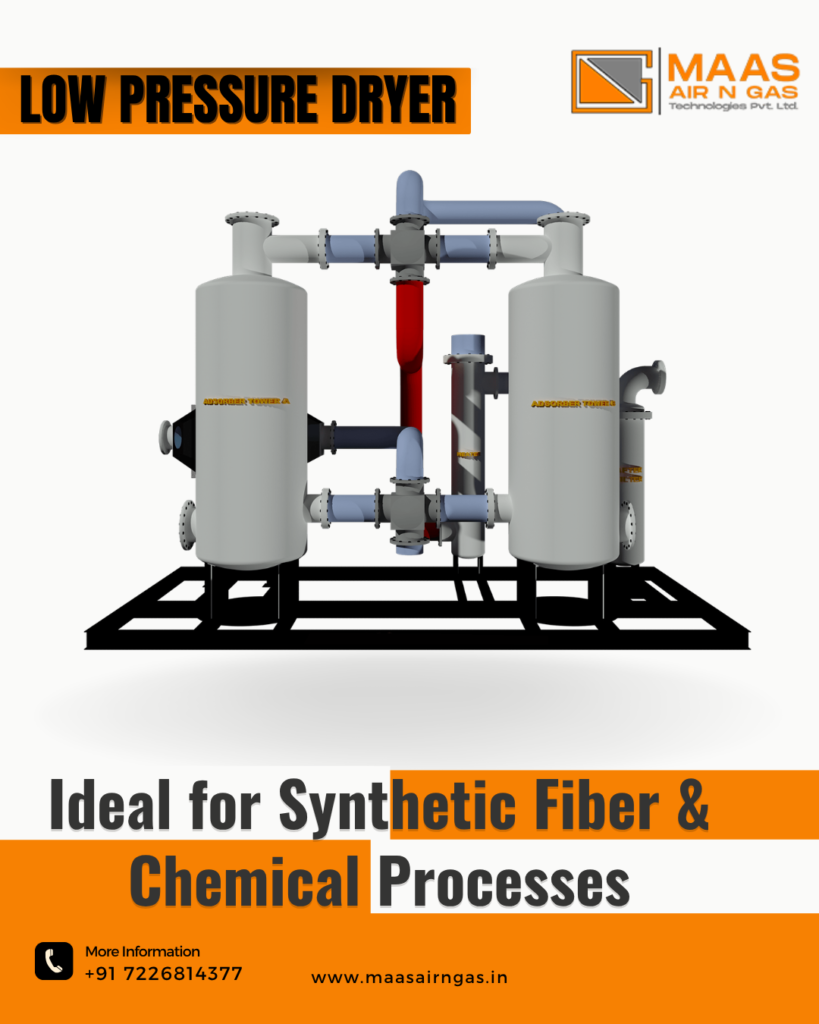
Low Pressure Dryer: Efficient Moisture Removal for Synthetic Fiber and Chemical Processes A Low Pressure Dryer is an industrial air and gas drying solution designed for processes where air or gas is available at relatively low pressure and effective moisture control is required. Moisture can affect production quality, equipment performance, process stability, and the overall reliability of industrial operations. For industries such as synthetic fiber manufacturing and chemical processing, selecting a suitable drying system is therefore an important part of process engineering. The Low Pressure Dryer featured in the supplied MAAS Air N Gas image is specifically presented as an…
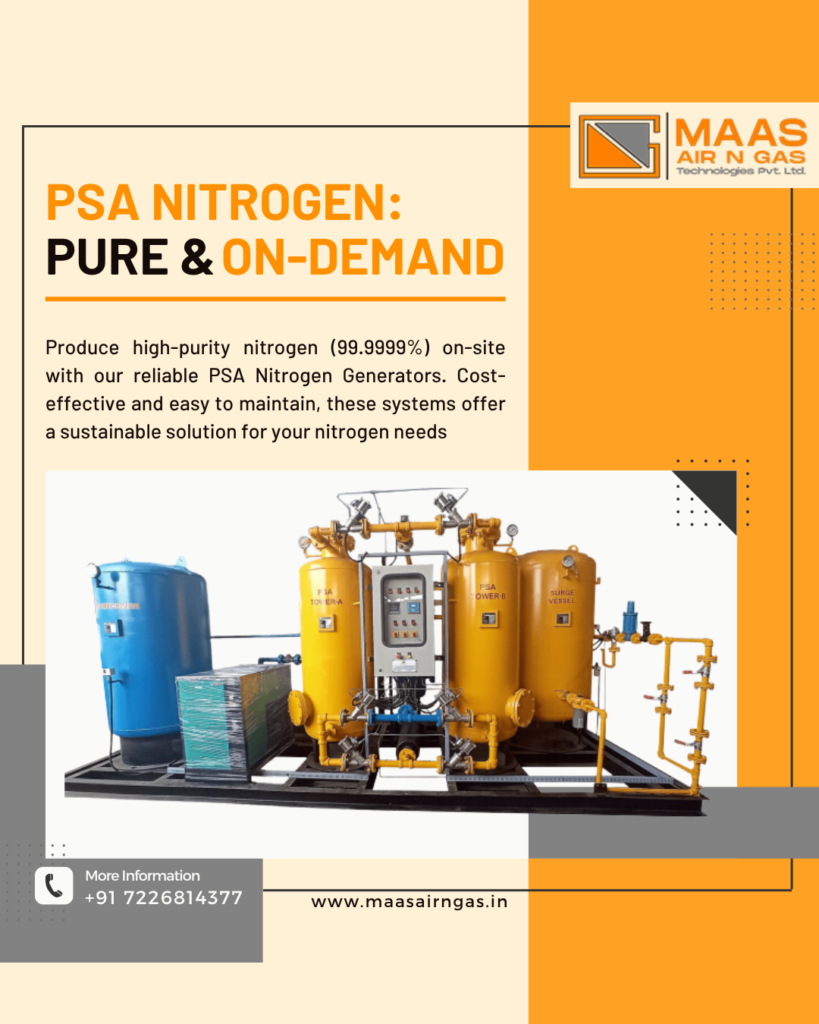
powerful PSA Nitrogen Generator: Pure & On-Demand Nitrogen Generation for Industrial Applications A PSA Nitrogen Generator is an advanced industrial gas-generation system designed to produce high-purity nitrogen directly from compressed air. Instead of depending completely on nitrogen cylinders or external gas deliveries, industries can generate nitrogen on-site according to their actual production requirements. This makes PSA nitrogen generation a practical solution for businesses that require a reliable, continuous, and controlled nitrogen supply. The PSA Nitrogen Generator shown in the supplied image is promoted for pure and on-demand nitrogen generation, with nitrogen purity of up to 99.9999%. The system uses Pressure…
Table of Contents Introduction What Is a Bio Gas Dryer? Why Is Biogas Drying Important? How Does a Bio Gas Dryer Work? Key Features of a Bio Gas Dryer Major Components of a Bio Gas Dryer Benefits of Using a Bio Gas Dryer Applications of Bio Gas Dryers Bio Gas Dryer vs Untreated Biogas Factors to Consider Before Selecting a Bio Gas Dryer Maintenance of a Bio Gas Dryer Why Choose MAAS Air N Gas? Frequently Asked Questions Conclusion Introduction A Bio Gas Dryer is an important gas-treatment system used to reduce moisture and water vapour from biogas before it…
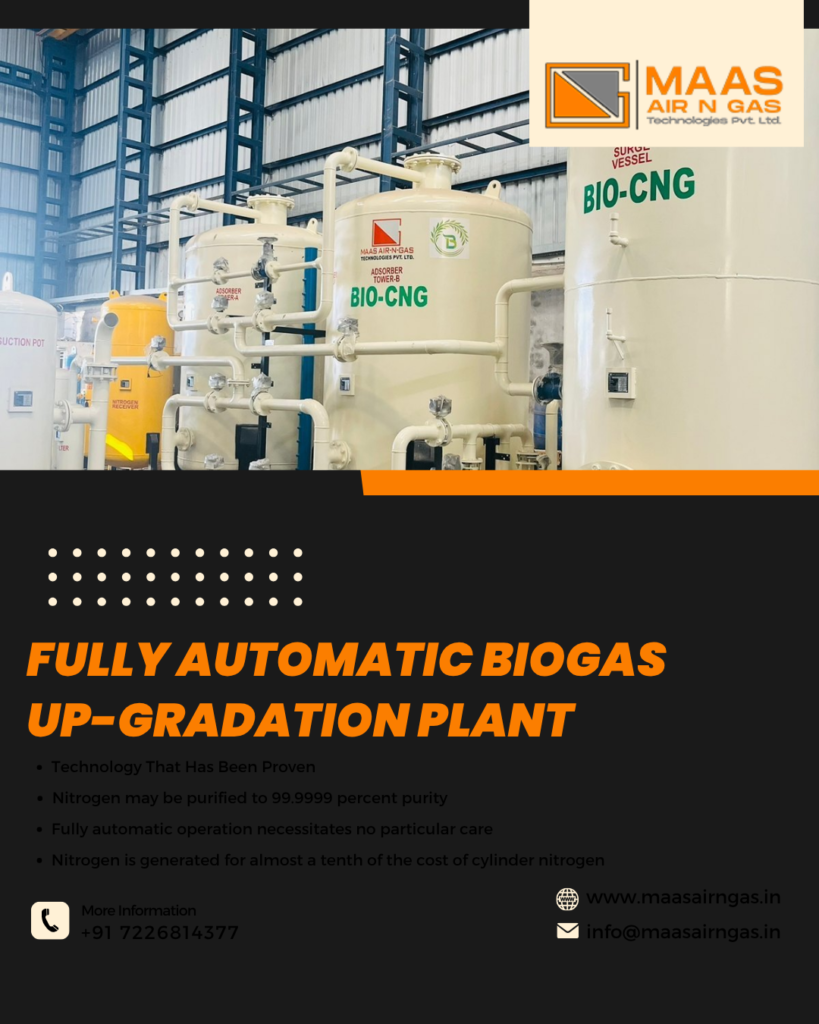
Fully Automatic Biogas Up-Gradation Plant: Working, Features, Benefits and Applications Table of Contents Introduction What Is a Fully Automatic Biogas Up-Gradation Plant? How Does a Biogas Up-Gradation Plant Work? Key Features of a Fully Automatic Biogas Up-Gradation Plant Major Components of a Biogas Up-Gradation Plant Benefits of a Fully Automatic Biogas Up-Gradation Plant Applications of Biogas Up-Gradation Plants Biogas Up-Gradation vs Raw Biogas Factors to Consider Before Selecting a Biogas Up-Gradation Plant VPSA Technology for Biogas Up-Gradation Importance of Pre-Treatment in Biogas Up-Gradation Maintenance of a Biogas Up-Gradation Plant Why Choose MAAS Air N Gas for Biogas Up-Gradation Solutions? Frequently…
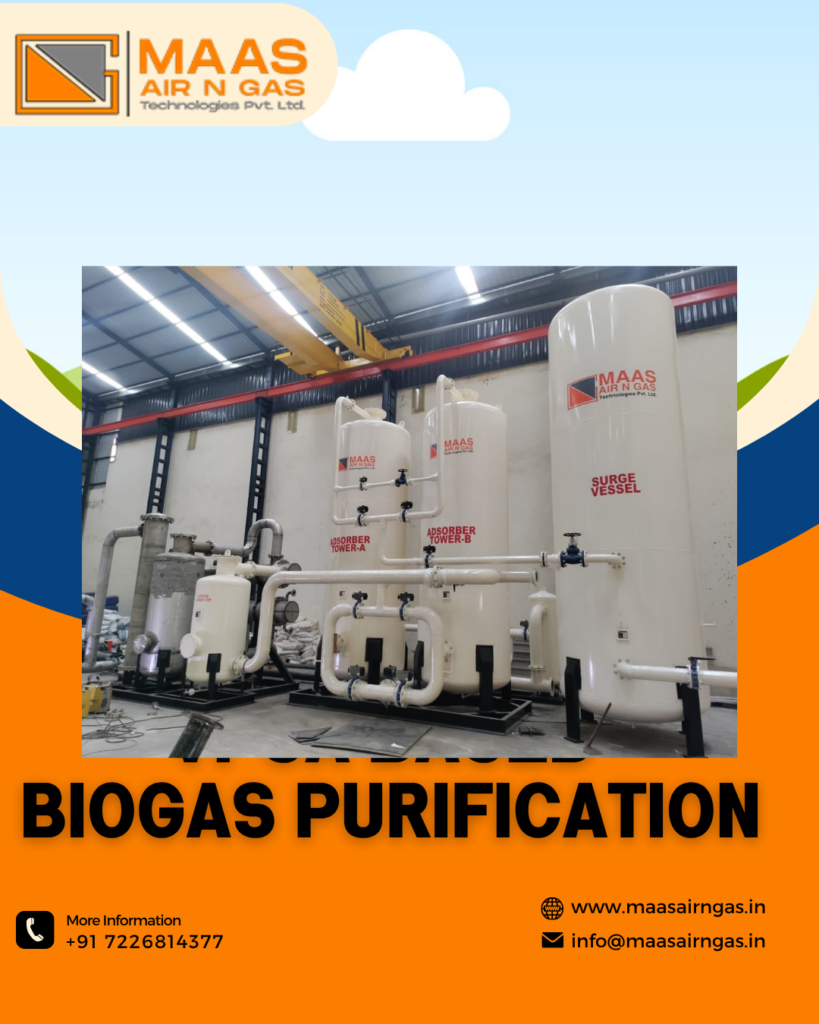
Biogas Purification Plant: Working, Key Features, Benefits and Applications Table of Contents Introduction What Is a Biogas Purification Plant? How Does a Biogas Purification Plant Work? Key Features of a Biogas Purification Plant Major Components of a Biogas Purification System Benefits of Biogas Purification Applications of Biogas Purification Plants Biogas Purification vs Raw Biogas Factors to Consider When Selecting a Biogas Purification Plant VPSA Technology for Biogas Purification Why Pre-Treatment Is Important in Biogas Purification Biogas Purification Plant Maintenance Why Choose MAAS Air N Gas for Biogas Purification Solutions? Frequently Asked Questions Conclusion Introduction Explore Biogas Purification Plant technology, working…
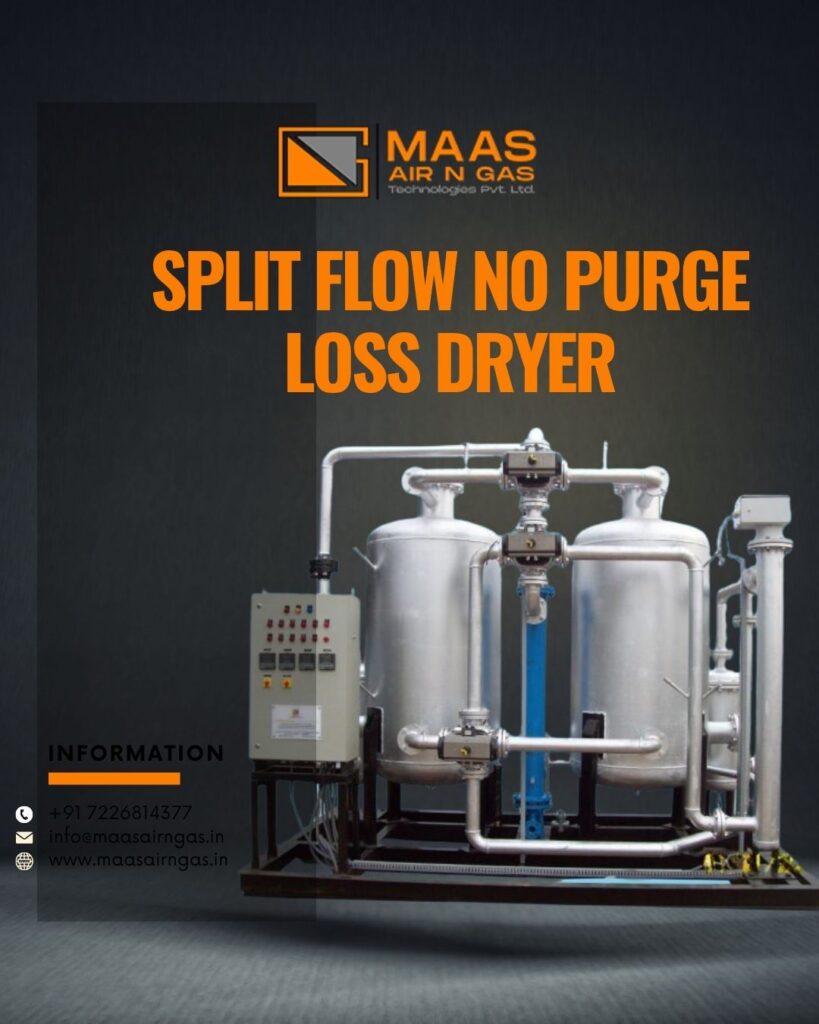
Split Flow No Purge Loss Dryer technology is designed for industrial compressed air applications where reliable moisture removal and efficient operation are important. Compressed air often contains water vapor and other contaminants that can create problems in pneumatic equipment, pipelines, production machinery, and downstream processes. A properly selected air dryer helps control this moisture and supports consistent air quality. In conventional regenerative desiccant drying systems, a portion of the compressed air may be used as purge air during desiccant regeneration. This purge requirement can represent a loss of usable compressed air. A Split Flow No Purge Loss Dryer is designed…
Internally Heated Dryer technology is an important solution for industrial applications where compressed air must be maintained at a low moisture level. Moisture in compressed air can create problems such as corrosion, condensation, equipment damage, poor process performance, and contamination. An efficient drying system helps remove water vapour before the compressed air reaches sensitive equipment or production processes. In industrial environments, the choice of dryer depends on factors such as required pressure dew point, compressed air flow, operating pressure, inlet temperature, ambient conditions, energy consumption, and application requirements. Internally heated dryers use heat as an important part of the regeneration…
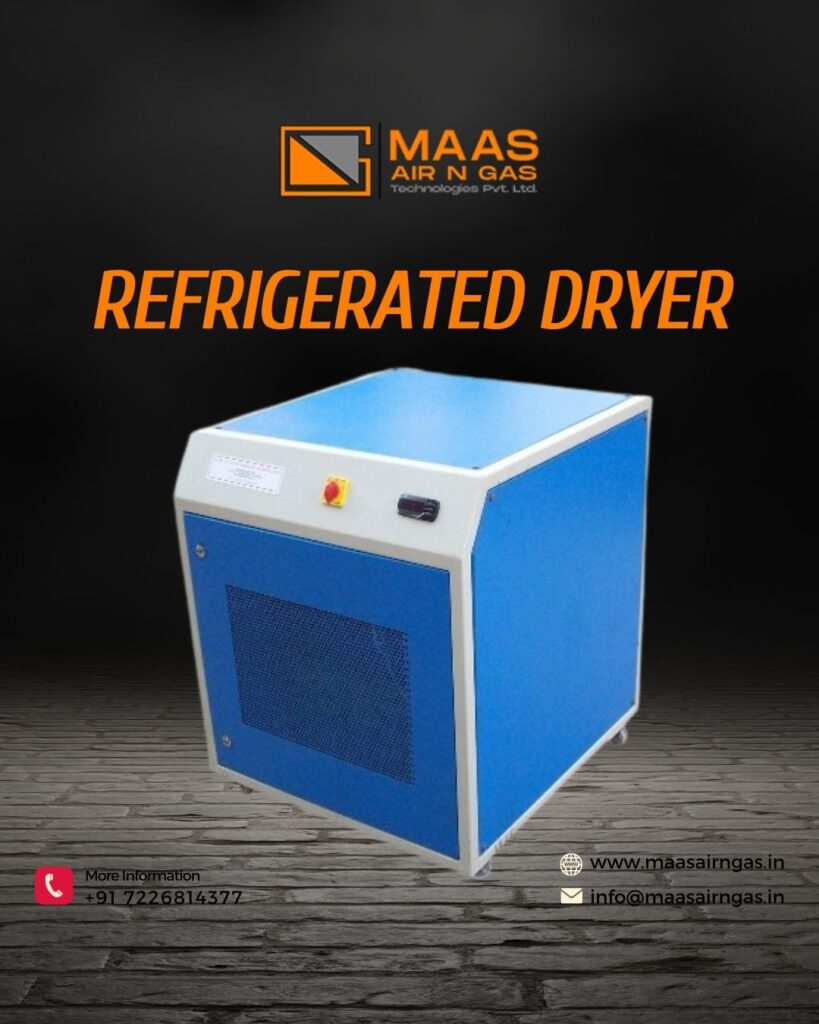
Refrigerated Air Dryer systems play an important role in maintaining the quality and reliability of compressed air used in industrial environments. Compressed air naturally contains moisture, and when this moisture isn't properly controlled, it can cause condensation, corrosion, equipment problems, and inconsistent production performance. A properly selected Refrigerated Air Dryer cools compressed air so that water vapor condenses and can be separated from the airstream before the air reaches downstream equipment. This makes refrigerated drying a practical solution for many general industrial compressed air applications. For companies looking for reliable air-treatment equipment, understanding how refrigerated dryers work, where they are…
Ammonia Cracker for Hydrogen Generation: 7 Powerful Benefits The metal fabrication industry requires accuracy, consistency, and efficient production processes to manufacture high-quality components. Ammonia Cracker for Hydrogen Generation: 7 Powerful Benefits Hydrogen is becoming increasingly important for industries that require controlled atmospheres, heat treatment, fuel-cell applications and other industrial processes. One technology that can help generate a hydrogen-rich gas from an easily transportable feedstock is an ammonia cracker for hydrogen generation. By thermally decomposing ammonia, an ammonia cracker can produce a mixture containing hydrogen and nitrogen that can be used in suitable industrial applications. Ammonia is particularly interesting as a…
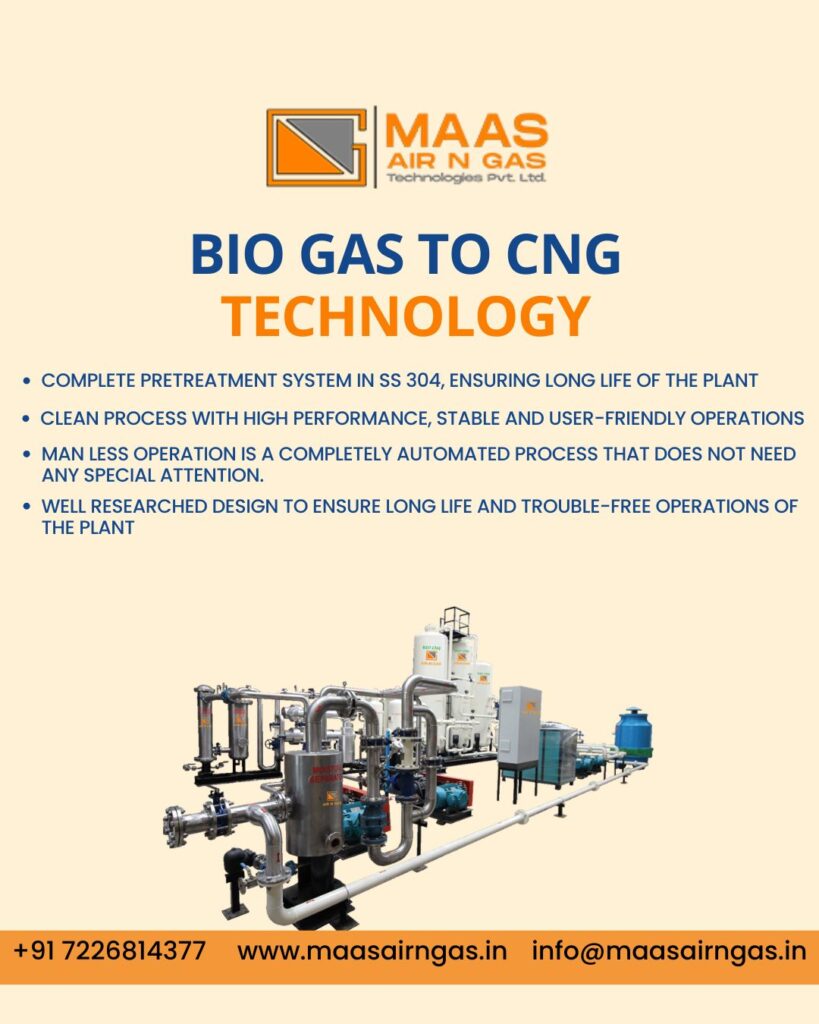
As industries and governments worldwide focus on reducing carbon emissions and promoting renewable energy, Bio Gas to CNG Technology has emerged as one of the most effective solutions for sustainable fuel production. This innovative technology converts biogas generated from organic waste into compressed natural gas (CNG)-grade fuel that can be used in vehicles, industries, and power generation systems. With increasing concerns about fossil fuel dependency, rising fuel costs, and environmental pollution, organizations are actively investing in renewable alternatives. Bio-CNG offers a practical and eco-friendly solution because it transforms waste into a valuable energy resource. The technology not only supports cleaner…
Table of Contents Introduction What is a PSA Oxygen Plant for the Industrial and Metal Industry? How PSA Technology Works Importance of Oxygen in Industrial and Metal Applications Key Benefits of PSA Oxygen Plants Applications in Industrial and Metal Industry Why Choose Maas Air & Gas Technologies Feature Snippet Conclusion FAQs PSA Oxygen Plant for Industrial and Metal Industry: A Smart Investment for Modern Production A PSA Oxygen Plant for Industrial and Metal Industry has become an essential solution for manufacturers seeking a reliable, cost-effective, and uninterrupted oxygen supply. Industries today face increasing pressure to improve efficiency, reduce operating costs,…
Table of Contents Introduction What are PUF Insulated Panels 7 Key Benefits Applications Why Industries Prefer PUF Roofing Panels Featured Snippet FAQ Conclusion Introduction PUF Insulated Panels for Roofing have become a standard solution in modern industrial and commercial construction due to their high thermal efficiency, lightweight structure, and long-term durability. In 2026, demand continues to rise as industries prioritize energy-efficient and low-maintenance building systems. These panels are widely used in warehouses, cold storage units, factories, and modular buildings where temperature control and structural strength are essential. What are PUF Insulated Panels? PUF (Polyurethane Foam) insulated panels are sandwich-type roofing…
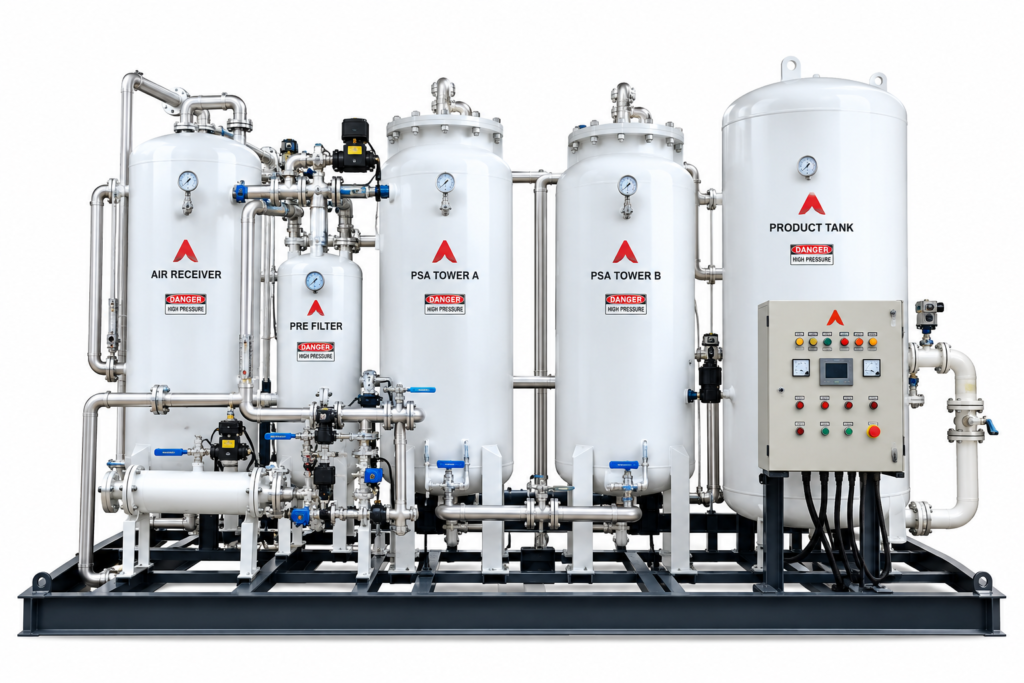
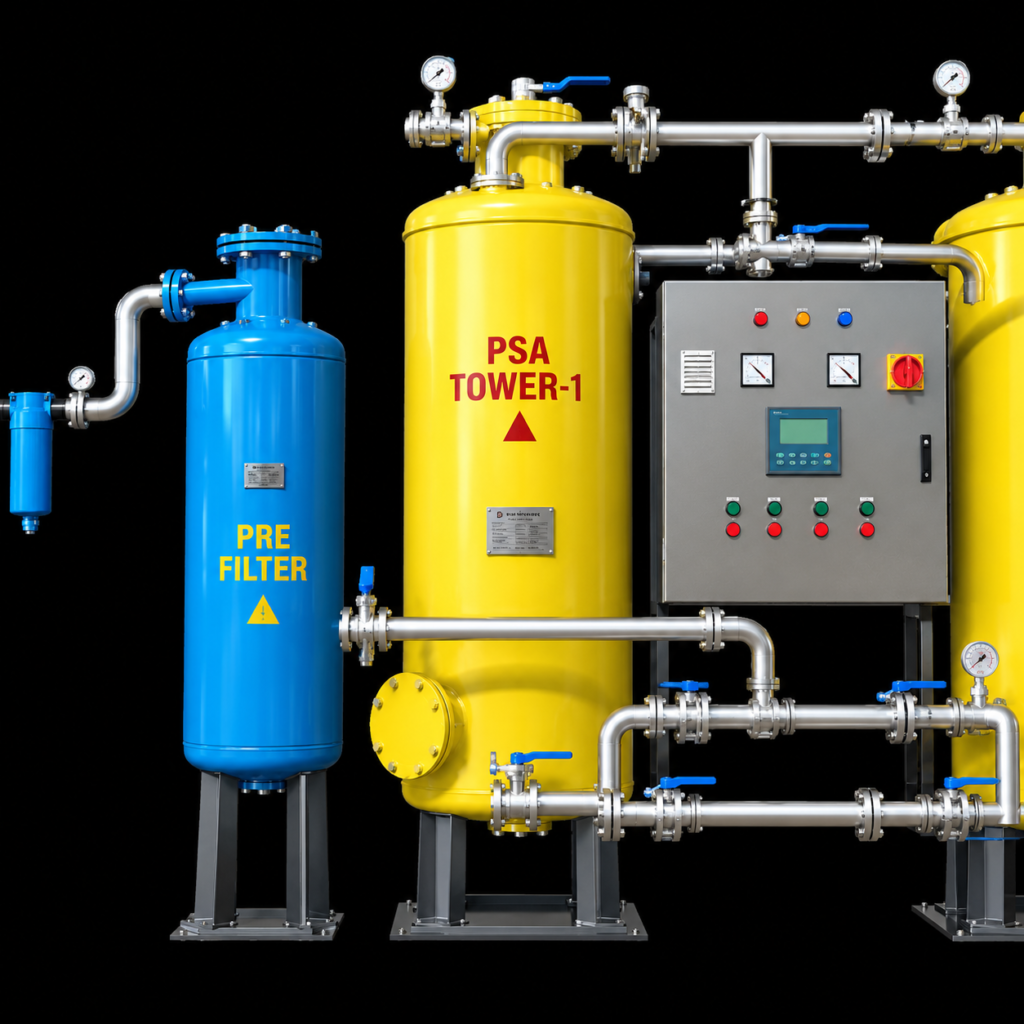
PSA Plant: 7 Powerful Benefits for Efficient Gas Separation Table of Contents Introduction to Pressure Swing Adsorption What Is a PSA Plant? Main Components of a PSA Plant How Does a PSA Plant Work? PSA Plant Process Flow Types of PSA Plants Benefits of PSA Technology Factors Affecting PSA Plant Performance PSA Plant Maintenance PSA Plant Safety Considerations Industrial Applications of PSA Plants How to Select the Right PSA Plant Importance of Automation in PSA Plants Frequently Asked Questions About PSA Plants Conclusion Introduction to Pressure Swing Adsorption Pressure Swing Adsorption (PSA) is an advanced gas separation and purification technology…
Pressure Swing Adsorption Plant: 7 Powerful Benefits for Efficient Gas Separation Pressure Swing Adsorption Plant (PSA) is an efficient gas separation technology used for oxygen generation, nitrogen production, hydrogen purification and industrial gas applications. Table of Contents Introduction to PSA Technology What Is a PSA Plant? Main Components of a PSA Plant How Does a PSA Plant Work? PSA Plant Process Flow Types of PSA Plants Key Advantages of PSA Technology Factors Affecting PSA Plant Performance PSA Plant Maintenance PSA Plant Safety Considerations Industrial Applications of PSA Technology How to Select the Right PSA Plant Importance of Automation in PSA…
7 powerful Ultra Pure Nitrogen Generator: Reliable, Cost-Effective and On-Demand Nitrogen Supply Table of Contents Introduction What Is an Ultra Pure Nitrogen Generator? How Does an Ultra Pure Nitrogen Generator Work? Benefits of Using an Ultra Pure Nitrogen Generator Industrial Applications of Ultra Pure Nitrogen Key Features to Consider Why Choose a PSA Nitrogen Generator? PSA vs Membrane Nitrogen Generators Nitrogen Generator vs Cylinder Supply Maintenance Requirements Why Choose MAAS Air N Gas? Frequently Asked Questions Conclusion Introduction Nitrogen is an important industrial gas used wherever an inert, controlled atmosphere is required. Manufacturing plants, pharmaceutical companies, electronics manufacturers, food processors,…
Nitrogen Gas Generator In today's fast‑paced industrial world, the demand for cost‑effective, reliable, and on‑site nitrogen supply is rising rapidly. Whether you're in food & beverage, pharmaceuticals, electronics, or metal processing—you likely need an uninterrupted source of nitrogen. This blog explores Nitrogen Gas Generators, focusing especially on PSA (Pressure Swing Adsorption) systems as offered by MAAS Air N Gas Technologies Pvt. Ltd. in Gujarat, India. What Is a Nitrogen Gas Generator? A nitrogen gas generator is a system that separates nitrogen gas from compressed air, delivering high‑purity nitrogen (typically 95–99.999%) on demand. It eliminates dependency on cylinder delivery and bulk…
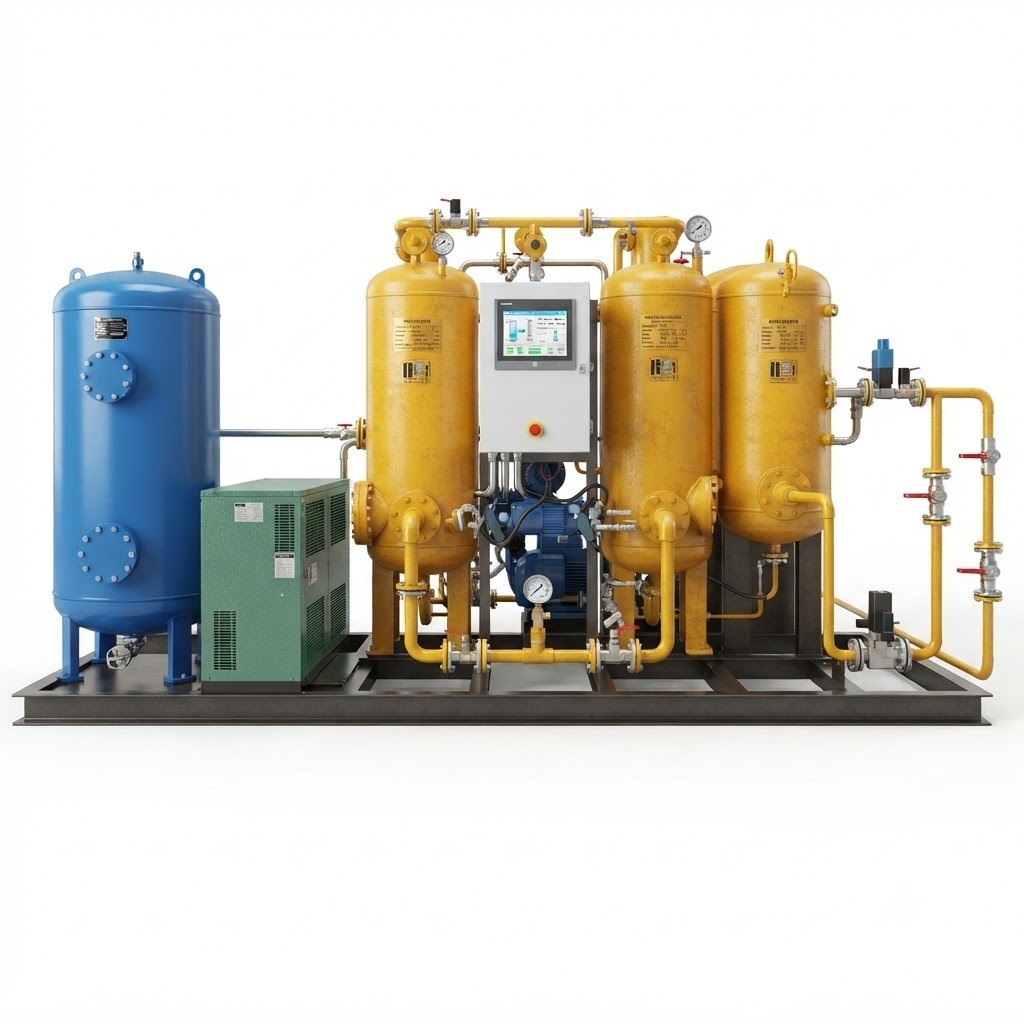
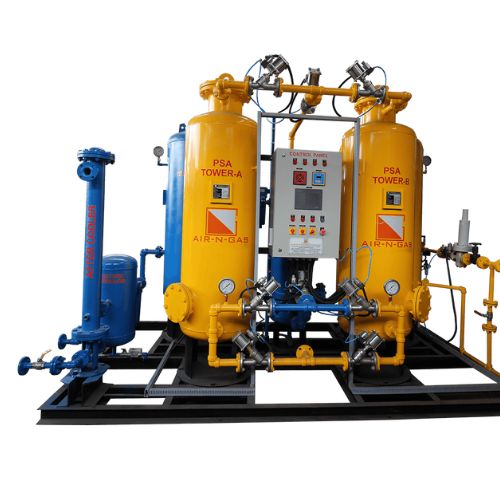
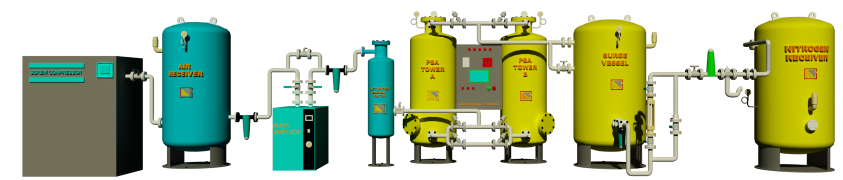
What Is a PSA Nitrogen Gas Plant? A PSA (Pressure Swing Adsorption) Nitrogen Gas Plant is a non‑cryogenic system that generates high‑purity nitrogen from atmospheric air. It employs molecular sieves, often carbon molecular sieves (CMS) or zeolites, that selectively adsorb oxygen and other impurities under elevated pressure and release nitrogen when the pressure drops. By switching between two adsorber towers, PSA systems maintain a continuous nitrogen flow.(maasairngas.in) Why Choose PSA Nitrogen Generation? 1. Ultra‑High Purity PSA systems can produce nitrogen at purities up to 99.9995%, depending on design and flow rate. For most industrial uses, purities up to 99.9%–99.99% are…
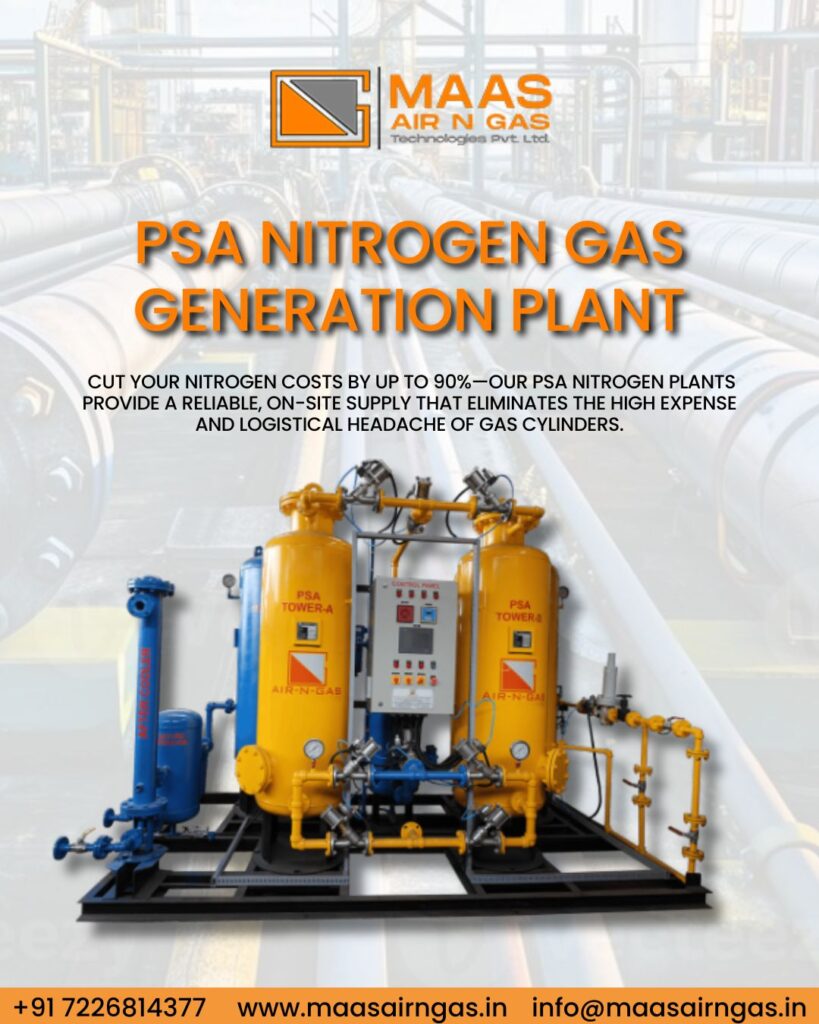
PSA Nitrogen Gas Generation Plant: The Smart Choice for On‑Site Nitrogen Production Nitrogen plays a critical role across industrial, food, pharmaceutical, and research sectors. While bottled or liquid nitrogen remains common, PSA Nitrogen Gas Generation Plants offer a better, more economical, environmentally friendly solution. Tackling both reliability and cost, these systems let industries produce high‑purity nitrogen on‑site, exactly when and as much as needed. PSA Nitrogen Gas Generation What Is a PSA Nitrogen Gas Generation Plant? PSA stands for Pressure Swing Adsorption. In PSA Nitrogen Plants, compressed air is passed through dual towers filled with Carbon Molecular Sieve (CMS) designed…
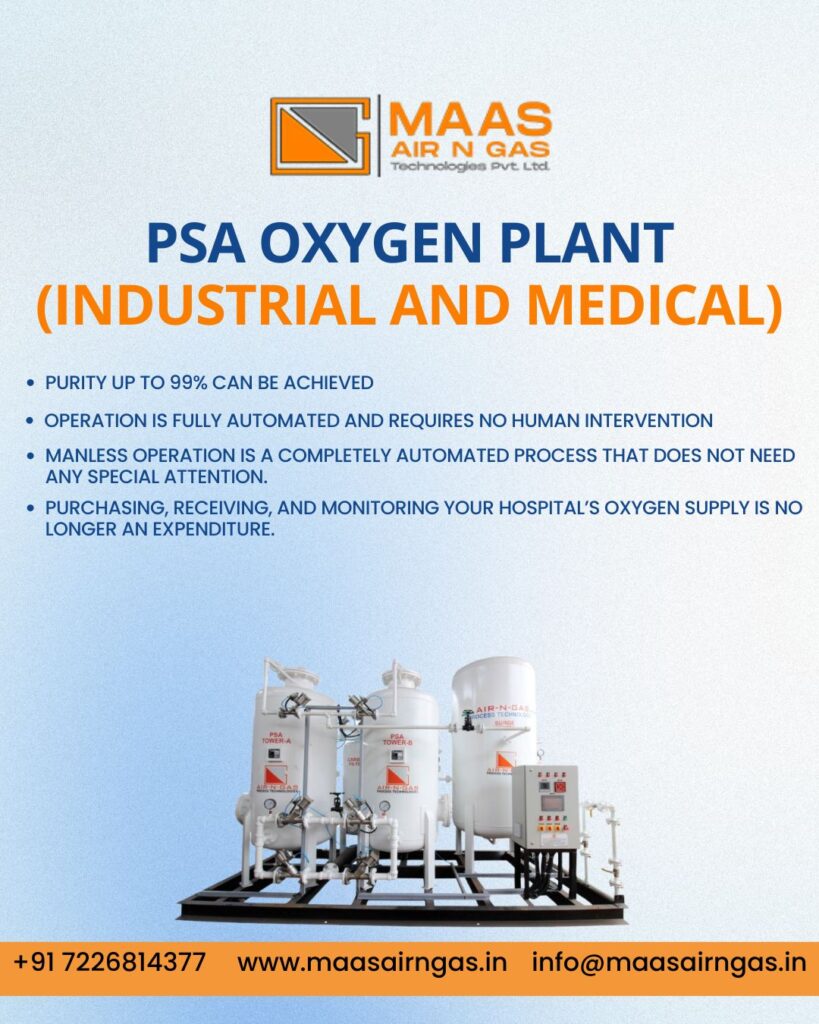
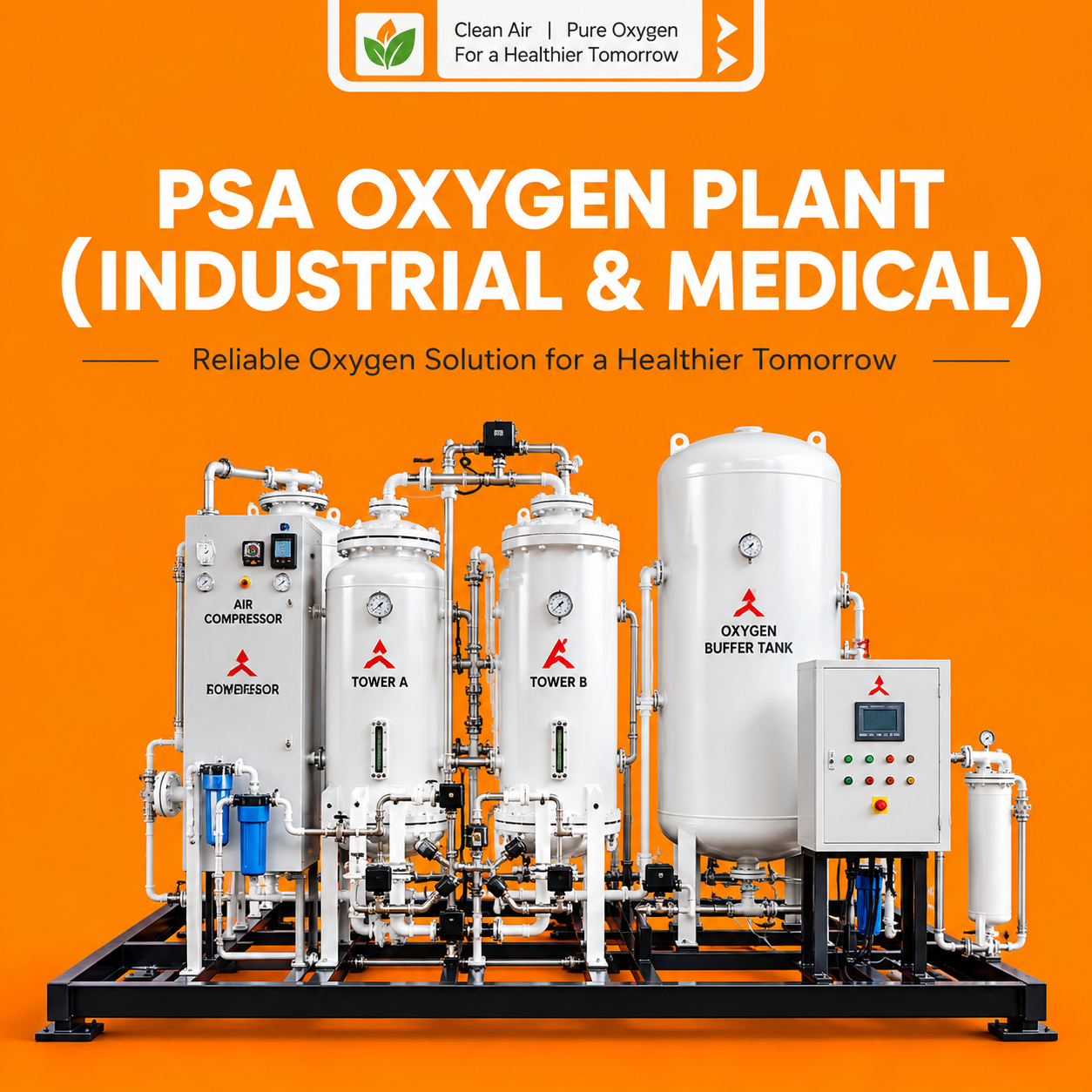
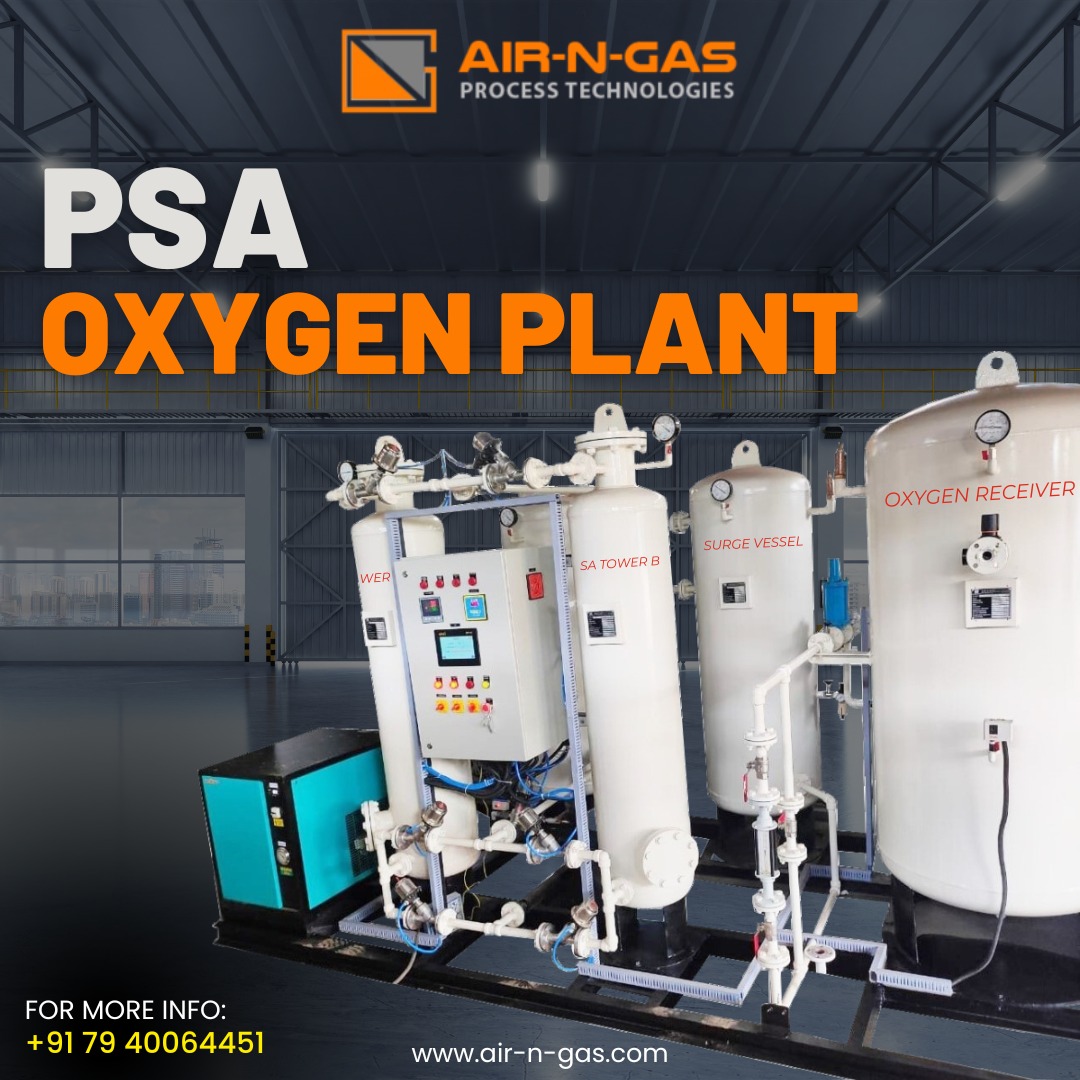
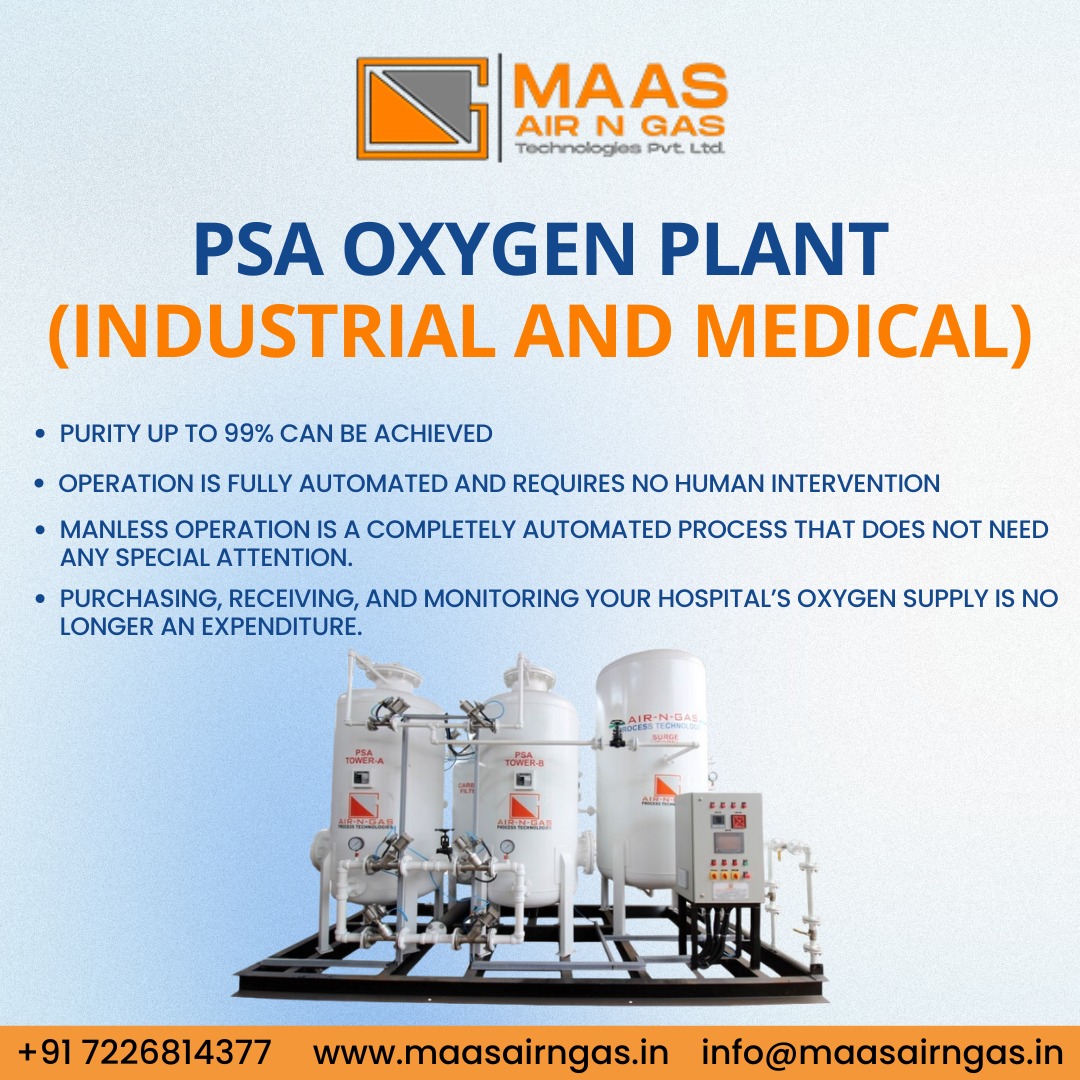
PSA Oxygen Plant for Industrial & Medical Applications Oxygen is one of the most important gases used across healthcare, manufacturing and several industrial processes. Traditionally, oxygen requirements can be fulfilled through cylinders or bulk liquid oxygen supplies. However, organizations that require a continuous and dependable oxygen supply can benefit from an on-site oxygen generation system. A PSA Oxygen Plant provides a practical solution by generating oxygen directly from atmospheric air. PSA stands for Pressure Swing Adsorption. In this technology, compressed atmospheric air is passed through specially designed molecular sieve material, generally zeolite. The molecular sieve preferentially adsorbs nitrogen while allowing…
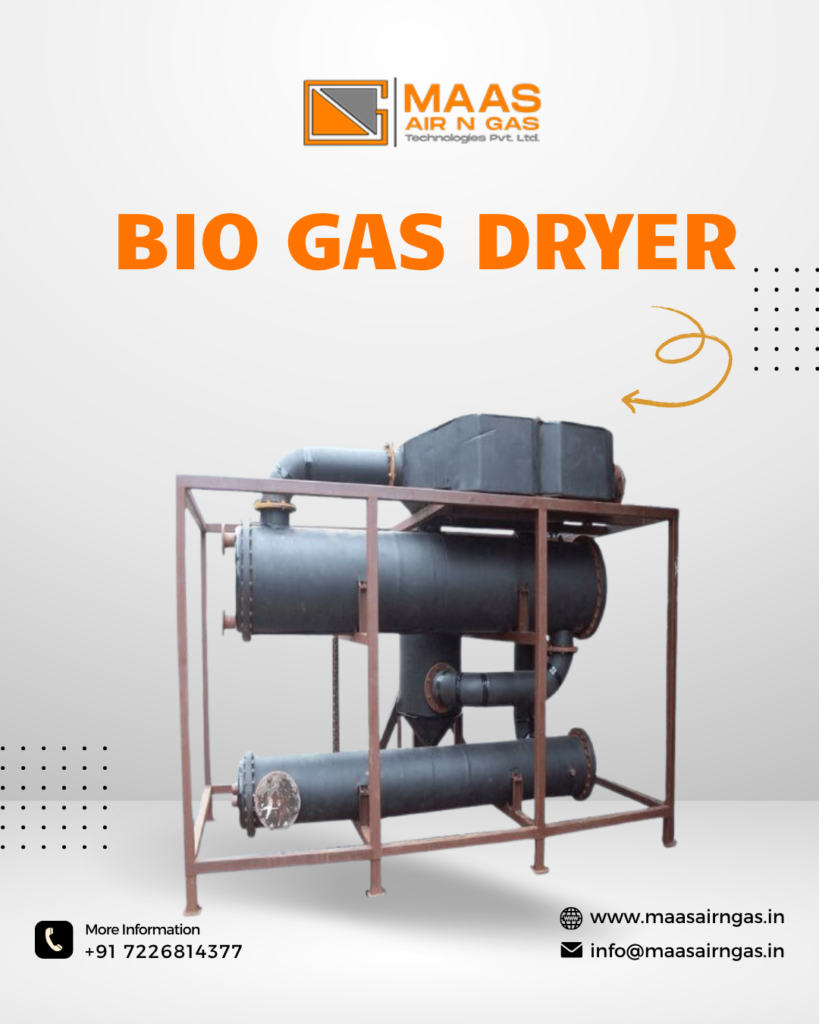
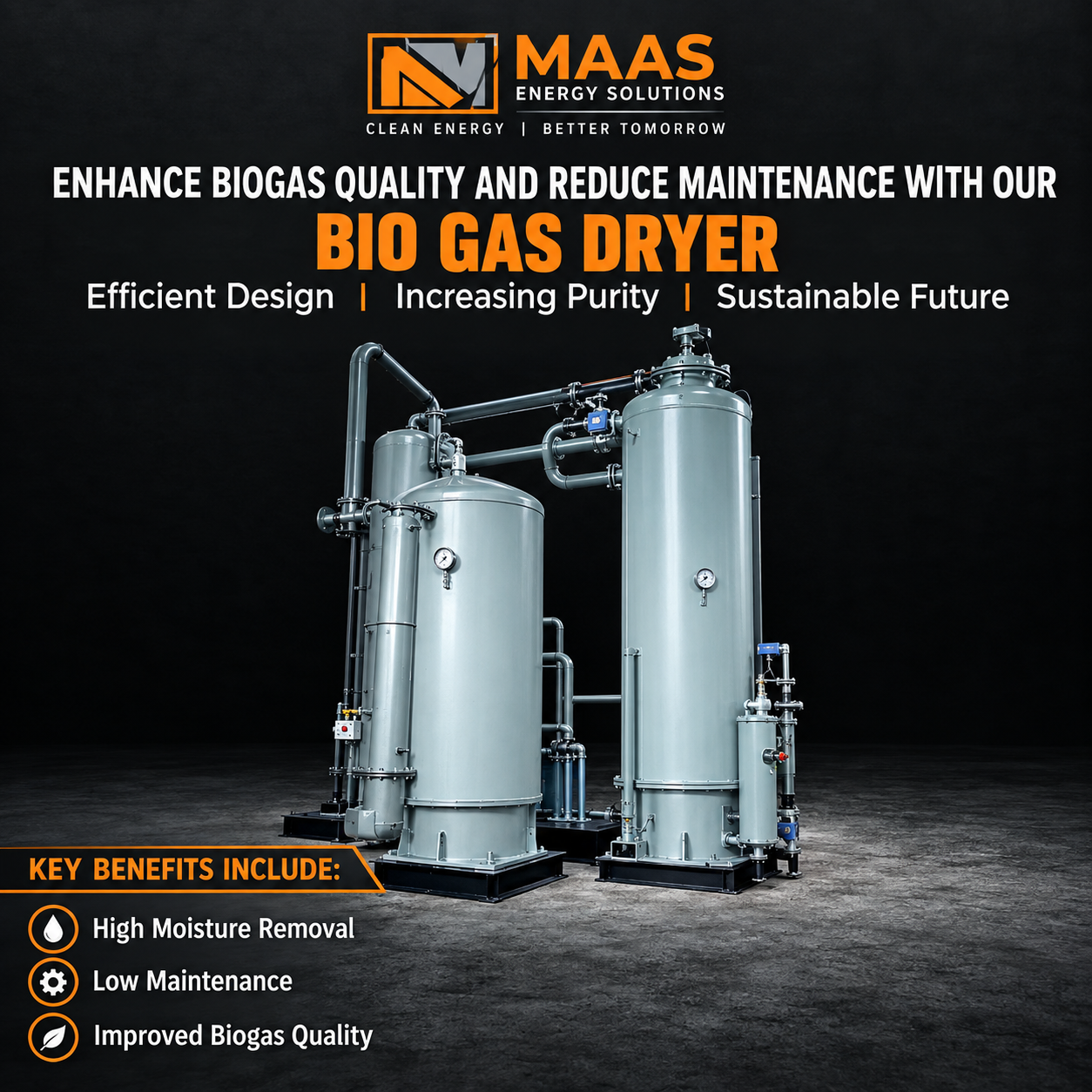
Biogas Dryer: 7 Powerful Benefits for Better Gas Quality Biogas is becoming an important renewable energy source for industries, commercial facilities, wastewater treatment plants, and sustainable energy projects. As organizations look for cleaner and more efficient energy solutions, the quality of biogas plays a major role in determining the performance of downstream equipment. However, raw biogas often contains water vapour and other impurities that can affect gas handling systems, engines, and purification equipment. A Biogas Dryer is designed to address one of the most important challenges in biogas processing: excess moisture. By reducing moisture in the gas stream, an appropriate…
Heat of Compression Dryer | Energy Efficient Air Dryer Discover MAAS Energy Solutions' Heat of Compression Dryer for energy-efficient compressed air drying. Achieve ultra-dry air, lower energy use and reliable industrial performance. Compressed air is an essential part of modern industrial operations. From manufacturing plants and pharmaceutical facilities to food processing units, packaging industries and engineering workshops, compressed air powers a wide range of machines, tools and production processes. However, the quality of compressed air plays an important role in maintaining equipment performance, product quality and operational reliability. Moisture present in compressed air can create several challenges, including corrosion, contamination,…
PSA Oxygen Plant technology provides a practical way to generate oxygen directly from ambient air for industrial and medical applications. Instead of depending entirely on oxygen cylinders or externally supplied gas, facilities can use pressure swing adsorption technology to produce oxygen on-site according to their operational requirements. A PSA oxygen system uses molecular sieve technology to separate nitrogen from compressed air and produce an oxygen-rich gas stream. In medical applications, the World Health Organization describes PSA plants as an on-site source capable of producing medical oxygen at approximately 93% ± 3% purity under its technical specifications. For industries and healthcare…
PSA Nitrogen Gas Generation Plant technology provides industries with a reliable way to produce nitrogen directly at the point of use. Instead of depending completely on nitrogen cylinders or bulk liquid nitrogen deliveries, industrial facilities can generate nitrogen from compressed air whenever it is required. A PSA nitrogen generation system uses Pressure Swing Adsorption (PSA) technology and Carbon Molecular Sieve (CMS) to separate nitrogen from other components of compressed air. The technology is suitable for applications where a continuous and controlled nitrogen supply is important. Depending on the system design and operating requirements, nitrogen can be produced at different purity…
PSA Nitrogen Gas Generation Plant technology provides industries with a practical way to generate nitrogen directly at their facility. Instead of depending entirely on nitrogen cylinders or external gas deliveries, businesses can produce nitrogen on demand according to their process requirements. This can improve supply reliability, simplify gas logistics and help control operating costs. Nitrogen is widely used in industries where an inert atmosphere, oxidation control, purging or controlled gas pressure is required. The National Institute of Standards and Technology (NIST) identifies nitrogen as molecular nitrogen, N₂, with a molecular weight of 28.0134. For industrial users, the important consideration is…